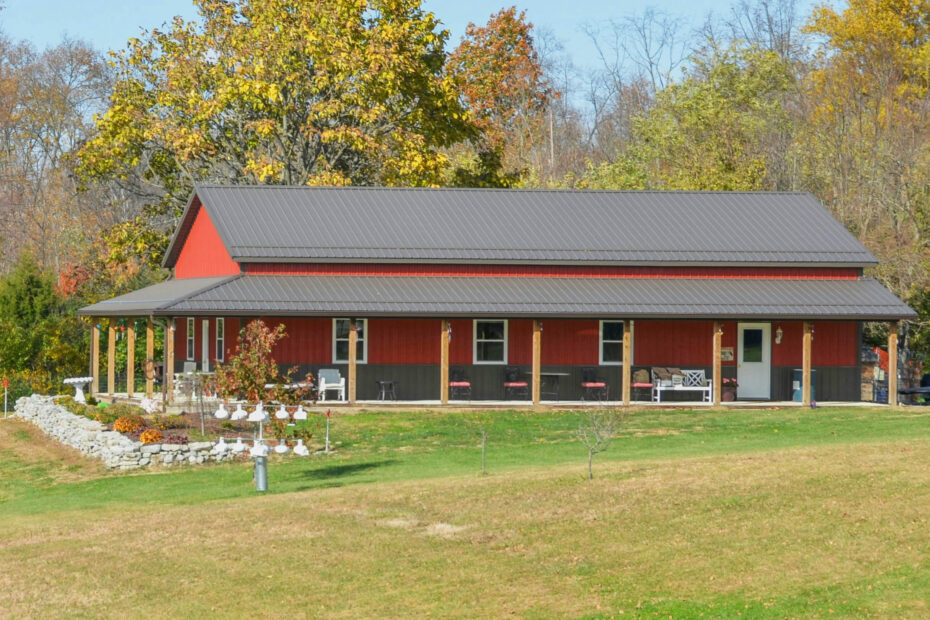
Barndos have become one of the most popular custom home styles for homeowners who want open spaces, flexible layouts, durability, and lower maintenance. But beyond the aesthetics and practicality, designing a barndominium for aging-in-place can turn your dream home into an ideal forever home.
As more homeowners think long-term about comfort, accessibility, and independence, aging-in-place design has become an important part of custom home planning. The best time to incorporate these features is during the design phase, when thoughtful decisions can create a home that supports your current and future needs without sacrificing style.
From wider hallways to step-free living, designing a barndominium with aging-in-place principles allows you to enjoy your home today while preparing for the unknowns of the future.
What Does Aging-in-Place Mean?
Aging-in-place simply means designing a home so you can continue living safely, comfortably, and independently as your mobility or physical needs change over time.
That does not mean your home needs to look clinical or institutional. In fact, many aging-in-place features blend seamlessly into modern barndominium design and often improve convenience for everyone in the household.
The goal is simple: create a home that adapts with you instead of forcing you to move or perform extensive renovations later.
There is an entire codebook dedicated to creating accessibility-compliant spaces (ICC A117.1 Standard for Accessible and Usable Buildings and Facilities). When you ask Michigan Building Design to create a floorplan that considers aging-in-place, those are the dimensions we’ll use to ensure accessibility for wheelchairs and other mobility devices.
We have stock barndo plans! Check out the Platte Plan, which is designed for aging-in-place and accessibility.
Why Barndominiums Are Ideal for Aging-in-Place
Barndominiums naturally lend themselves to accessible design because of their open layouts and flexible floor plans.
Some of the biggest advantages include:
- Large, open-concept living spaces
- Easier single-story layouts
- Wider structural spans that allow fewer interior walls
- Durable, low-maintenance materials
- Flexible room configurations
- Simplified future remodeling
While traditional stick-built homes can also be designed for future mobility needs, a thoughtfully designed barndo can more easily incorporate aging-friendly features from the start with minimal additional cost.
RELATED: How Much Does It Cost to Build a Barndominium in 2026?
Single-Story Living Makes a Major Difference
One of the most important consideration when designing a barndominium for aging-in-place is minimizing stairs.
A single-story barndominium design allows homeowners to access every essential living space without climbing steps. Every room, from the primary bedroom, bathroom, kitchen, laundry, to the garage, is on the same level to protect those who struggle with mobility and fall risks.
Even if you plan to include a loft, bonus room, or second story for guests, your daily living spaces should ideally remain on the main level.
This simple design choice can dramatically improve long-term comfort and accessibility.
Prioritize a Step-Free Entry
Many homeowners overlook entry access until mobility becomes a challenge. Even a raised threshold can become a trip hazard for those with ambulatory or eyesight limitations.
Aging-in-place design starts before you even walk through the front door. A curbless entry from the garage, driveway, or porch creates safer and easier access for:
- Wheelchairs
- Walkers
- Strollers
- Temporary injuries
- Grocery carrying
- Future mobility needs
A gently sloped walkway and wider exterior doors can make a huge difference without changing the appearance of the home.
Design Wider Hallways and Doorways
One of the easiest upgrades during the planning stage is increasing hallway and doorway widths.
Standard hallways and doors can become restrictive over time. When designing a barndominium for aging-in-place, prioritize these features:
- 36-inch doorways
- Wider hallways
- Open circulation paths
- Spacious room layouts
Adding space with these features creates a more comfortable home for all stages of life, especially when it comes to big or bulky objects like moving furniture around.
Build a Safer, More Functional Bathroom
Bathrooms are one of the most important spaces to consider in aging-in-place home design. The standard bathroom layout is designed for minimum space, and renovating for accessibility can be cumbersome and costly. It’s far easier to make the bathroom accessibility-friendly at the design stage.
A thoughtfully designed bathroom can reduce fall risks while improving comfort and independence.
Popular aging-in-place bathroom features include:
- Extra turning space
- Curbless walk-in showers
- Built-in shower benches
- Handheld shower heads
- Non-slip flooring
- Comfort-height toilets
- Reinforced walls for future grab bars
The best part? These features have become increasingly popular in luxury home design and can look modern, upscale, and intentional.
Create a Functional Kitchen for Long-Term Use
An accessible kitchen does not have to sacrifice style.
Aging-friendly kitchen layouts focus on convenience, efficiency, and safety. Consider:
- Wider walkways between islands and counters
- Pull-out shelves and drawers
- Lever-style hardware
- Varied counter heights
- Easy-access appliances
- Ample lighting
- Slip-resistant flooring
Open-concept barndominium kitchens already support many of these principles naturally.
Lighting Matters More Than Most People Realize
Lighting becomes increasingly important for both comfort and safety as people get older.
A well-designed lighting plan should include:
- Bright ambient lighting
- Task lighting in kitchens and bathrooms
- Motion-sensor lighting
- Under-cabinet lighting
- Illuminated pathways
- Natural light wherever possible
Good lighting not only reduces fall risks but also makes the home feel more welcoming and functional.
Think About Future Flexibility
One of the smartest approaches in custom home design is planning for flexibility.
Even if you do not currently need accessibility features, designing with future adaptability in mind can save major renovation costs later.
Examples include:
- Blocking in bathroom walls for future grab bars
- Space for a future elevator or lift
- Flexible guest rooms that can become caregiver suites
- Reinforced flooring if mobility equipment is ever needed
- A low-maintenance design to reduce the burden of home upkeep
- Smart home technology integration
Planning ahead allows your home to evolve with your lifestyle.
RELATED: 9 Things to Know Before Building a Pole Building in Michigan
Low-Maintenance Materials Are Essential
Aging-in-place is not just about mobility – it is also about reducing ongoing maintenance demands, and therefore the financial burden.
Barndominiums are especially attractive because they often feature durable materials that require less upkeep over time.
Popular low-maintenance choices include:
- Metal siding and roofing
- Luxury vinyl plank flooring
- Quartz countertops
- Composite decking
- Energy-efficient windows
- Thicker insulation
- Smart HVAC systems
These materials help reduce maintenance costs and physical demands as homeowners age.
Barndos easily lend themselves to higher energy efficiency, particularly during the home-design phase. This helps homeowners enjoy a greater level of comfort and reduced ongoing energy costs, which can be extremely beneficial if future medical costs are a budgetary concern.
RELATED: Stick Frame vs. Post Frame Barndominium: How Should You Build Your Home?
Universal Design Benefits Everyone
Many aging-in-place features fall under the broader concept of universal design: homes designed to work better for people of all ages and abilities.
The reality is that wider spaces, safer bathrooms, better lighting, and step-free access improve everyday living for:
- Young families
- Guests
- Children
- People recovering from injuries
- Homeowners of all ages
A home designed for long-term comfort is simply a better-designed home.
Designing Your Forever Barndominium
Building a barndominium is an opportunity to create a home tailored specifically to your lifestyle, priorities, and future goals.
Aging-in-place design does not mean compromising aesthetics or building for “old age.” It means creating a home that remains comfortable, functional, and beautiful no matter what the future brings.
The best time to plan for accessibility and long-term livability is before construction begins. Thoughtful design decisions today can help you stay in the home you love for decades to come. Will your dream barndo be the last home you ever need? If you design your home for accessibility, your home can support you throughout the years, no matter what the future holds.
RELATED: Why Hire a Professional Engineer to Design My Pole Building in Michigan?
Ready to Design a Barndo That Supports You for Life?
If you are planning to build a barndominium and want a home that serves your needs both now and in the future, working with an experienced design team makes all the difference. A well-designed home should not only fit your lifestyle today, but continue supporting your independence, comfort, and quality of life for years to come.
At Michigan Building Design, we provide permit-ready building plans sealed by a licensed professional engineer. This means an experienced professional has completed structural load calculations to ensure that your home is designed for structural stability, cost-efficiency, and local building code compliance.
Stick-built homes are covered extensively by code, but post-frame homes such as barndos do not have the same protections. Utilize the expertise of a structural engineer to right-size your foundation and strucutural elements, to prevent long-term problems like warping, settling and cracking.
Contact Michigan Building Design to start designing a beautiful custom barndominium that will continue supporting your independence, comfort, and quality of life for years to come.